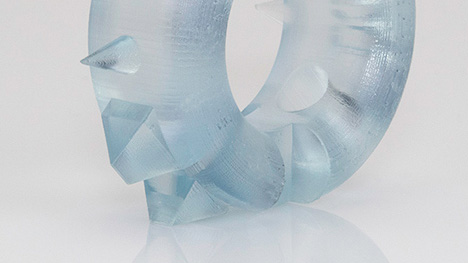
Materials for Medical Applications are special materials used to diagnose, treat, repair, or replace parts of the human body. These materials must be biocompatible (safe for the body), non-toxic, and often sterilizable. They are studied in fields like Biomaterials Science and Biomedical Engineering.
1. Metals
Metals are widely used because they are strong, durable, and resistant to fatigue.
Common medical metals:
- Stainless Steel – surgical instruments, bone plates, screws
- Titanium and Titanium Alloys – dental implants, hip joints
- Cobalt-Chromium Alloys – artificial joints, heart valves
Advantages
- High mechanical strength
- Good corrosion resistance
- Long service life
Example Uses
- Orthopedic implants (hip/knee replacements)
- Dental implants
- Surgical tools
2. Polymers (Medical Plastics)
Polymers are lightweight and flexible, making them suitable for many disposable and implantable devices.
Common medical polymers:
- Polyethylene (PE) – joint replacements
- Polyurethane (PU) – catheters, artificial hearts
- Silicone – implants and tubing
- Polylactic Acid (PLA) – biodegradable sutures
Advantages
- Flexible
- Easy to shape
- Can be biodegradable
Example Uses
- Sutures
- Drug delivery systems
- Contact lenses
3. Ceramics
Ceramics are very hard and highly biocompatible.
Common medical ceramics:
- Alumina (Al₂O₃)
- Zirconia (ZrO₂)
- Hydroxyapatite (HA)
Advantages
- Excellent wear resistance
- Good compatibility with bone
- Chemically stable
Example Uses
- Dental crowns
- Bone implants
- Artificial joints
4. Natural Biomaterials
These materials come from biological sources.
Examples
- Collagen
- Chitosan
- Alginate
Advantages
- High biocompatibility
- Often biodegradable
Example Uses
- Tissue engineering scaffolds
- Wound dressings
- Drug delivery
5. Composite Materials
Composites combine two or more materials to improve performance.
Example:
- Polymer + ceramic → bone repair materials
Advantages
- Tailored mechanical properties
- Better biological interaction
✅ Key Requirements for Medical Materials
- Biocompatibility
- Sterilizability
- Mechanical strength
- Corrosion resistance
- Non-toxicity
💡 Typical Medical Applications
- Artificial organs
- Bone plates and screws
- Dental implants
- Drug delivery systems
- Tissue engineering scaffolds